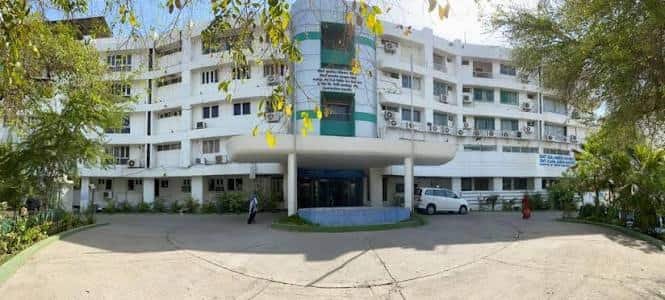
Institute of Kidney Diseases and Research Centre has performed more than 8,000 kidney transplants, according to its own records. It has also carried out hundreds of liver transplants, robotic kidney transplants, and “swap” transplants, in which two families exchange kidney donors. Known across Gujarat simply as the “Kidney Hospital”, it stands on the Civil Hospital campus in Asarwa, Ahmedabad. It was founded on 7 October 1981 by the pioneering nephrologist Dr. H.L. Trivedi, and its sister Institute of Transplantation Sciences followed in 1997. The combined institution, IKDRC-ITS, is a public-sector centre with about 400 indoor beds for nephrology, urology, and transplantation. It describes itself as one of the largest centres of its kind in the world, and it is closely linked with the Gujarat University of Transplantation Sciences.
| Quick Facts | Details |
| Full name | Smt. G.R. Doshi and Smt. K.M. Mehta Institute of Kidney Diseases and Research Centre and Dr. H.L. Trivedi Institute of Transplantation Sciences (IKDRC-ITS) |
| Popular name | Kidney Hospital, Ahmedabad |
| Campus 1 | Opposite Trauma Centre, Civil Hospital Campus, Asarwa, Ahmedabad, Gujarat 380016, India |
| Campus 2 | Baliyalimbdi Chowk, opposite M&J Eye Hospital and petrol pump, Asarwa, Ahmedabad 380016 |
| IKDRC founded | 7 October 1981 |
| ITS founded | 1997 |
| Founder | Dr. H.L. (Hargovind Laxmishanker) Trivedi, Padma Shri (1932–2019) |
| Director | Dr. Pranjal R. Modi |
| Type | Public-sector super-speciality institute |
| Indoor beds | About 400 (some sources say 438) |
| Campus area | About 15,000 sq m, with about 20,000 sq m built up |
| Kidney transplants | 8,182 (as reported by the institute) |
| Liver transplants | 786 (as reported) |
| Robotic kidney transplants | 691 (as reported) |
| Swap (paired exchange) transplants | 493 (as reported) |
| Specialities | Nephrology, urology, kidney and liver transplantation, paediatric nephrology and urology, robotic transplant surgery |
| Linked university | Gujarat University of Transplantation Sciences (GUTS), established 2015 |
| Colleges | IKDRC-ITS College of Nursing; IKDRC-ITS College of Physiotherapy |
| Phone | +91 79 4901 7000 |
| Nearest railway station | Ahmedabad Junction (Kalupur), roughly 3–5 km |
| Nearest airport | Sardar Vallabhbhai Patel International Airport, roughly 8–10 km |
| Time zone | IST, UTC+5:30 (no daylight saving) |
| Official website | ikdrc-its.org |
Dr. H.L. Trivedi and the “Kidney Hospital”
Dr. Hargovind Laxmishanker Trivedi was born in 1932 in a small Gujarat village. He studied medicine at B.J. Medical College, Ahmedabad, graduating in 1963. After further training at the Cleveland Clinic in the US and eight years of practice in Hamilton, Ontario, Canada, he returned to Ahmedabad in 1977.
He founded the Institute of Kidney Diseases and Research Centre on 7 October 1981, and the Institute of Transplantation Sciences followed in 1997. Under his leadership:
- His teams carried out more than 5,200 kidney transplants during his lifetime.
- He helped set up a network of dialysis centres in district hospitals across Gujarat, with state government support.
- The institute became known for research in transplant immunology, including stem-cell work aimed at helping the body accept a transplanted kidney.
He received the Padma Shri and died on 2 October 2019. His guiding motto, still quoted by the institute, was that “service to patient is service to God.” The transplantation institute now carries his name.
Two Institutes, One Campus
| Unit | Founded | Focus |
| Smt. G.R. Doshi and Smt. K.M. Mehta Institute of Kidney Diseases and Research Centre (IKDRC) | 1981 | Nephrology, urology, dialysis, kidney disease research |
| Dr. H.L. Trivedi Institute of Transplantation Sciences (ITS) | 1997 | Kidney and liver transplantation, transplant immunology |
The institute is built on three pillars: service, education, and research. Its stated aims include running institutions for service, education, and research in nephrology, urology, transplantation, haematology, and autoimmune and genetic disorders.
Numbers That Define IKDRC-ITS
| Achievement | Figure (as reported by the institute) |
| Kidney transplants | 8,182 |
| Liver transplants | 786 |
| Robotic kidney transplants | 691 |
| Swap transplants | 493 |
| Indoor beds | About 400 |
Services
- Nephrology: Diagnosis and treatment of acute and chronic kidney disease, kidney infections, and kidney problems caused by diabetes and high blood pressure
- Dialysis: Haemodialysis and related services for kidney failure
- Urology: Kidney stones, prostate disease, urinary tract problems, and urological cancers
- Paediatric nephrology and urology: Kidney and urinary problems in children
- Kidney transplantation: Living donor, swap, and deceased donor transplants
- Robotic kidney transplantation
- Liver transplantation
- Transplant immunology and research
Swap Transplants Explained
Sometimes a family member is willing to donate a kidney but is not compatible with the patient, for example because of blood group. In a swap (paired kidney exchange) transplant:
- Family A has a patient and a willing donor who don’t match.
- Family B has the same problem.
- Family A’s donor matches Family B’s patient, and Family B’s donor matches Family A’s patient.
- The two donors “swap,” and both patients receive a compatible kidney.
Swaps can also involve three or more families in a chain. IKDRC-ITS has done nearly 500 swap transplants, helping patients who might otherwise have waited for years on dialysis. Swap transplants must follow India’s transplantation law, which requires approval by the relevant authorisation committee.
Robotic Kidney Transplantation Explained
In robotic kidney transplantation, surgeons use a robotic system to place the new kidney through small incisions instead of one large cut. Potential benefits include:
- Smaller wounds and less pain
- Lower risk of wound complications, which can matter for patients with obesity
- Faster recovery for suitable patients
IKDRC-ITS has done almost 700 robotic kidney transplants, which the institute and its linked university describe as among the largest experiences worldwide. Not every patient is a candidate, and the transplant team decides on the best approach.
Education: GUTS and the Colleges
Gujarat University of Transplantation Sciences (GUTS) was established in 2015 under the State University Act. It describes itself as the first university dedicated to transplantation and allied sciences in the world. Linked institutions on the campus include:
- IKDRC-ITS College of Nursing
- IKDRC-ITS College of Physiotherapy
- Postgraduate and super-speciality training in nephrology, urology, and transplantation
Location: Civil Hospital Campus, Asarwa
IKDRC-ITS is on the western side of the Ahmedabad Civil Hospital campus in Asarwa, one of Asia’s largest public hospital campuses. The area is often called “Medicity” because it also hosts other specialist institutes and B.J. Medical College.
- Campus 1: Opposite the Trauma Centre, inside the Civil Hospital campus
- Campus 2: At Baliyalimbdi Chowk, opposite M&J Eye Hospital
- From Ahmedabad Junction (Kalupur): Roughly 3–5 km, about 15–20 minutes by road.
- From the airport: Sardar Vallabhbhai Patel International Airport is roughly 8–10 km away.
- By bus: AMTS and BRTS buses serve the Civil Hospital area.
Protecting Your Kidneys
Most kidney failure in India is linked to diabetes and high blood pressure. To protect your kidneys:
- Control blood sugar and blood pressure.
- Get yearly kidney tests, such as serum creatinine and urine protein, if you have diabetes, high blood pressure, or a family history of kidney disease.
- Avoid overusing painkillers, especially NSAIDs, without medical advice.
- Be wary of unregulated remedies that may harm the kidneys.
- Drink enough water, particularly in Gujarat’s hot summers.
- See a doctor for swelling of the feet or face, foamy urine, or a sharp drop in urine output.
Frequently Asked Questions
Q1. What is the address of the Kidney Hospital in Ahmedabad?
A. The Institute of Kidney Diseases and Research Centre (IKDRC-ITS) is located opposite the Trauma Centre, Civil Hospital Campus, Asarwa, Ahmedabad, Gujarat – 380016.
Q2. When was IKDRC founded?
A. The Institute of Kidney Diseases and Research Centre was founded on 7 October 1981.
Q3. Who founded the Institute of Kidney Diseases and Research Centre?
A. IKDRC was founded by Padma Shri Dr. H.L. Trivedi.
Q4. Who is the current Director of IKDRC-ITS?
A. Dr. Pranjal R. Modi is the Director of IKDRC-ITS.
Q5. How many kidney transplants has IKDRC-ITS performed?
A. The institute reports having performed 8,182 kidney transplants.
Q6. Does IKDRC-ITS perform liver transplants?
A. Yes. IKDRC-ITS performs liver transplants and reports having completed 786 liver transplants.
Q7. What is a swap kidney transplant?
A. A swap kidney transplant is an exchange in which willing but incompatible donors of two or more patients donate kidneys to each other’s patients, allowing compatible transplants to take place.
Q8. Does IKDRC-ITS do robotic kidney transplants?
A. Yes. The institute performs robotic kidney transplants and reports having completed 691 robotic kidney transplants.
Q9. What is the phone number of IKDRC-ITS?
A. The contact number for IKDRC-ITS Ahmedabad is +91 79 4901 7000.
Q10. What is GUTS?
A. GUTS stands for the Gujarat University of Transplantation Sciences. It was established in 2015 and is associated with IKDRC-ITS.